Stories Woven Into Sustainable Spaces

Join us as we explore Storytelling Eco Interiors and Furniture Care, where personal narratives meet responsible materials and gentle maintenance. We’ll translate memories into layouts, choose earth-friendly finishes, and nurture beloved pieces so their stories grow richer with time. Share your own practices, ask questions, and subscribe to follow new guides, workshops, and reader home spotlights.

Narrative Principles for Sustainable Rooms

Begin by shaping spaces like meaningful stories: identify characters, conflicts, and resolutions that guide choices without waste. Use constraints as creative prompts, designing compact zones that adapt over years, while material honesty, daylight choreography, and breathable finishes support healthy routines and resilient habits.

Materials With Memory and Low Impact

Choose materials that speak softly about origin and future. Favor responsibly managed wood, reclaimed metals, natural fibers, and low-VOC binders. Evaluate durability alongside embodied carbon, then design assemblies for disassembly, so repair, recycling, or composting becomes straightforward, extending every object’s useful life without environmental remorse.

Gentle Routines for Furniture Longevity

Caring actions become the verses that keep furniture alive: consistent dusting, balanced humidity, and thoughtful placement away from vents or harsh sun. Small habits prevent structural stress, preserve finishes, and keep pieces ready for gatherings that build new memories without sacrificing material integrity or comfort.

Daily Touchpoints

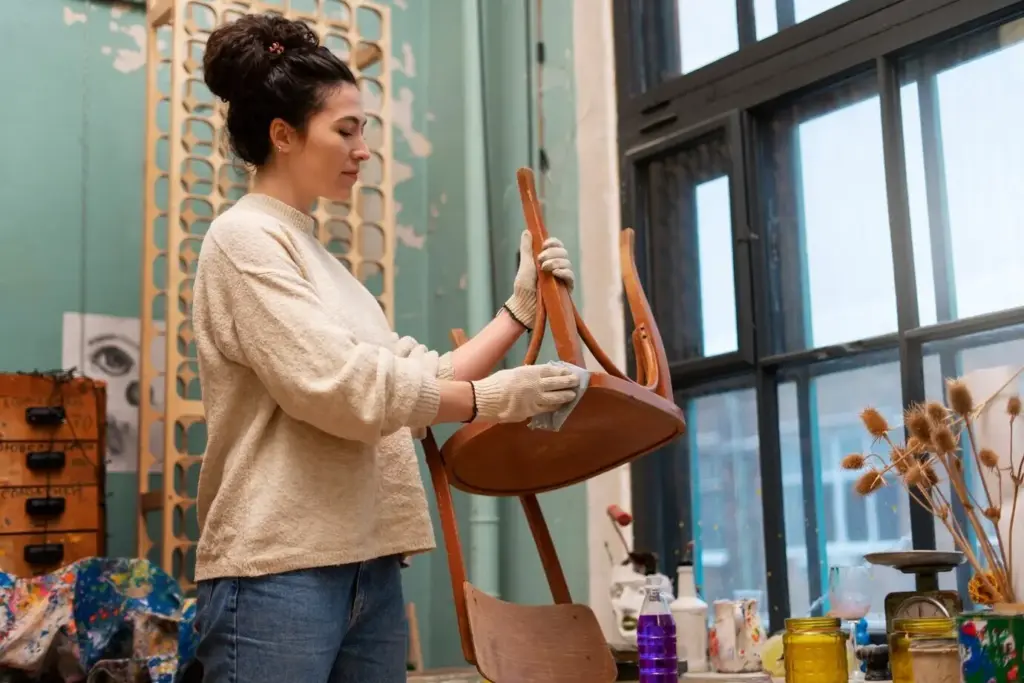
Use a soft microfiber cloth or slightly soapy water for most surfaces, drying immediately to protect joints. Rotate cushions weekly, lift not drag chairs, and place felt pads under feet. These gentle gestures add up, preventing scratches, loosening, and fatigue that shortens meaningful service.

Seasonal Checkups

At solstices or birthdays, schedule care rituals: tighten hardware, re-oil wood, vacuum upholstery seams, and inspect finishes for early wear. Record dates discreetly beneath pieces, creating lineage notes that help families and future owners understand history, products used, and repairs performed with attentive hands.

Sunlight, Heat, and Humidity

Use sheers, UV films, and strategic placement to avoid fading and glue creep. Keep relative humidity steady with plants or trays, and allow breathing gaps from radiators. Comfort for people often equals comfort for objects, stabilizing wood movement, upholstery resilience, and finish flexibility over years.

Assessing Potential

Before sanding anything, study joinery, wood species, and weaknesses. Some pieces demand restraint; others welcome bold edits. Photograph from all angles, sketch alternatives, and test hardware positions with painter’s tape. This reflective pause prevents wasteful mistakes and reveals stories worth preserving rather than erasing.

Joinery-Friendly Modifications

Prioritize reversible moves: French cleats, knock-down fittings, dowels, and wedges that respect original structure. When cutting is necessary, keep offcuts labeled for future patches. Reversibility supports repairs and lets subsequent owners reinterpret pieces without inheriting irreversible choices that narrow function or shorten lifespan.

Biophilic Layers That Carry Meaning

Light and Plant Care Routines

Match species to windows and watering habits, grouping needs together near tasks you already perform. Self-watering reservoirs, terracotta wicks, and weekly misting become meditative acts that dovetail with dusting schedules, improving humidity for wood while turning caretaking into grounding moments that replenish attention.

Texture and Temperature

Layer wool, linen, clay, and unfinished wood to create touchable variety that responds to seasons. Cool in summer, warm in winter, these honest surfaces invite barefoot contact, slow cleaning motions, and restorative pauses that reinforce attachment, making upkeep feel like affectionate conversation rather than chores.

Scent, Sound, and Story

Natural soaps, beeswax, and open windows carry quiet fragrances that pair with wooden creaks and woven rustles. Together they create sensory cues for transitions, reminding you to tidy, hydrate plants, and check finishes, building continuity between gentle maintenance and the narratives unfolding within rooms.

Measuring Impact and Designing for Repair

Accountability strengthens stories. Track embodied carbon, expected lifespan, and repair pathways for each piece, keeping receipts, product sheets, and spare parts together. This small archive empowers better decisions, supports warranties, and guides future stewards to maintain integrity while adapting furniture to new circumstances and needs.
Livezezavilefilo
Privacy Overview

This website uses cookies so that we can provide you with the best user experience possible. Cookie information is stored in your browser and performs functions such as recognising you when you return to our website and helping our team to understand which sections of the website you find most interesting and useful.