
Design That Lasts: Spaces and Furniture People Cherish
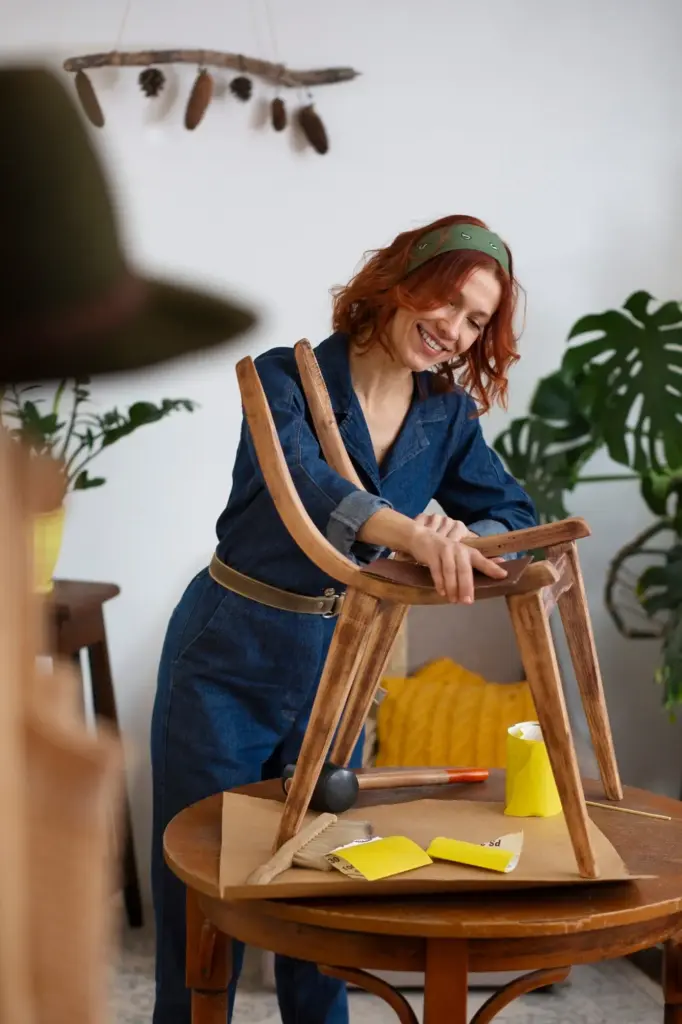
Today we explore Emotional Durability—designing spaces and furniture people maintain longer by nurturing attachment, pride, and ease of care. Expect practical guidelines, research-backed insights, and heartfelt stories that show how thoughtful details, adaptable layouts, and repairable materials encourage devotion, reduce waste, and keep beloved objects in daily use.

Memory, Identity, and Everyday Rituals

Objects and rooms gain staying power when they reliably participate in our daily rhythms, collecting small victories and quiet comforts. The table that hosted late-night conversations, the lamp that illuminated study breakthroughs—these memories build identity. When design supports rituals with intuitive placement and tactile warmth, people willingly clean, repair, and proudly display items because maintenance feels like honoring personal history rather than performing a chore.

Material Aging That Feels Honest and Beautiful

Surfaces that age gracefully invite ongoing care. Oil-finished wood, solid metals, and natural textiles develop patina, telling stories without appearing damaged. When wear looks intentional, users forgive scuffs and polish marks, seeing them as character rather than flaws. This reframing transforms maintenance into companionship, encouraging gentle upkeep, seasonal refreshes, and long-term loyalty that outlasts trend cycles and disposable expectations.

Core Principles That Strengthen Attachment

Narratives and Provenance People Can Tell

We keep what helps us tell a story. Share origins, craft, and materials through tags, engravings, and accessible documentation. When users can explain how something was made, by whom, and why certain choices matter, pride grows. That pride turns into ongoing care, because every polish or adjustment becomes a continuation of the story, connecting maker, owner, and place in a living, evolving narrative.

Adaptability and Modularity that Reduce Friction

Reconfigurable layouts and modular parts let homes and furnishings follow life’s changing needs. Expand a shelving bay, flip a cushion, swap a cover, reorient a desk—small adaptations prevent the feeling that an item has become obsolete. When users adjust rather than replace, they reinforce a trusted bond. Design invites this behavior with standardized hardware, clear instructions, and options that reward curiosity rather than punish experimentation.

Trust Built Through Sensory and Functional Cues

People rely on signals: the reassuring weight of a table leg, the smooth glide of a drawer, the quiet close of a cabinet. Honest materials, stable construction, and predictable performance cultivate confidence. When an object behaves reliably, users reciprocate with attentive care. Trust grows further through transparency—showing how components connect, explaining maintenance cycles, and providing spare parts to prove support will last beyond initial purchase.

Homes That Evolve Gracefully Over Time

Longevity thrives when rooms welcome change without losing their soul. Flexible zones, resilient finishes, and thoughtful lighting allow spaces to embrace new routines while preserving memories. Designing for movement—of furniture, family, and seasons—prevents abrupt breakups with cherished items. Instead of starting over, residents modify, layer, and repair, growing attachment through continuity, gentle transitions, and the reassuring feeling that home learns alongside its inhabitants.

Layouts That Pivot with Minimal Effort

Anchoring large pieces while freeing smaller elements creates responsive rooms. A stable sofa orientation with movable side tables and stackable stools can adapt from quiet reading to lively gatherings in minutes. When changes feel effortless, residents experiment more, discovering new arrangements that keep spaces fresh without discarding anything. Each configuration earns its own memories, deepening affection through accumulated usefulness and playful exploration.

Light, Color, and Texture That Age Kindly

Natural light, dimmable layers, and timeless palettes help rooms remain calm as life shifts. Choose pigments and textiles that soften rather than fade dramatically, and finishes that can be refreshed. Subtle texture gives patina somewhere to belong, making inevitable wear feel harmonious. When sensory qualities mature with dignity, daily care feels like nurturing a living environment, not fighting loss, which encourages longer, more loving stewardship.

Microzones That Support Consistent Rituals

Create small, dependable stations for recurring activities: a tea nook with reachable jars and a wipeable tray, a reading corner with a sturdy lamp and blanket hooks, an entry surface for keys and repair tools. Consistency reduces friction and invites gentle upkeep. When essential actions feel smooth, people feel supported, forming a reliable bond with the space that makes maintenance natural, timely, and surprisingly satisfying.
Furniture You Repair Instead of Replace

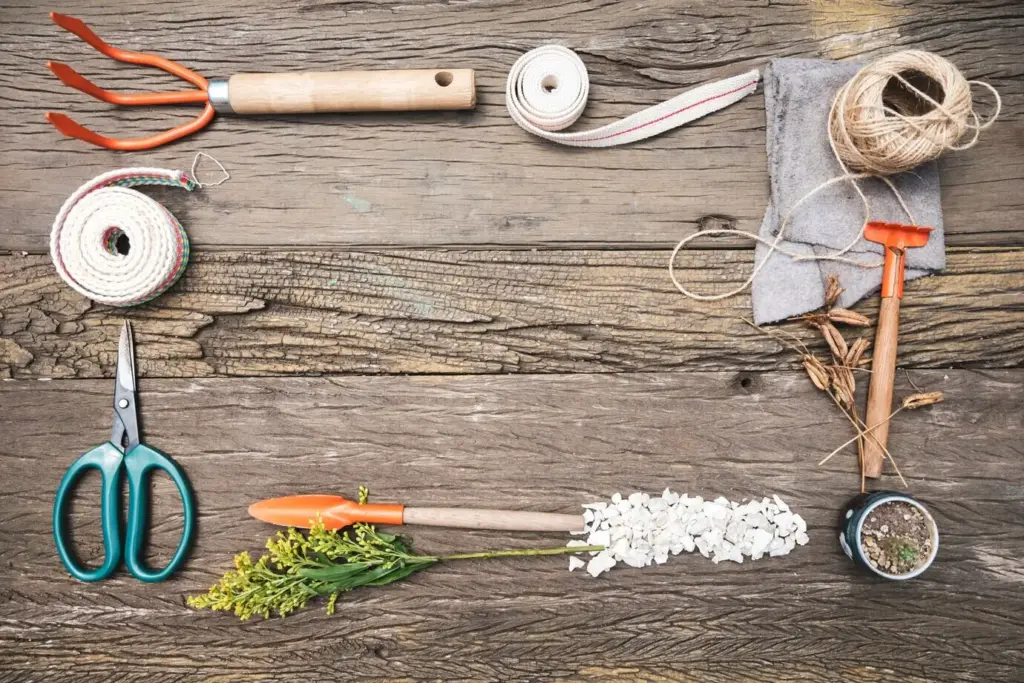
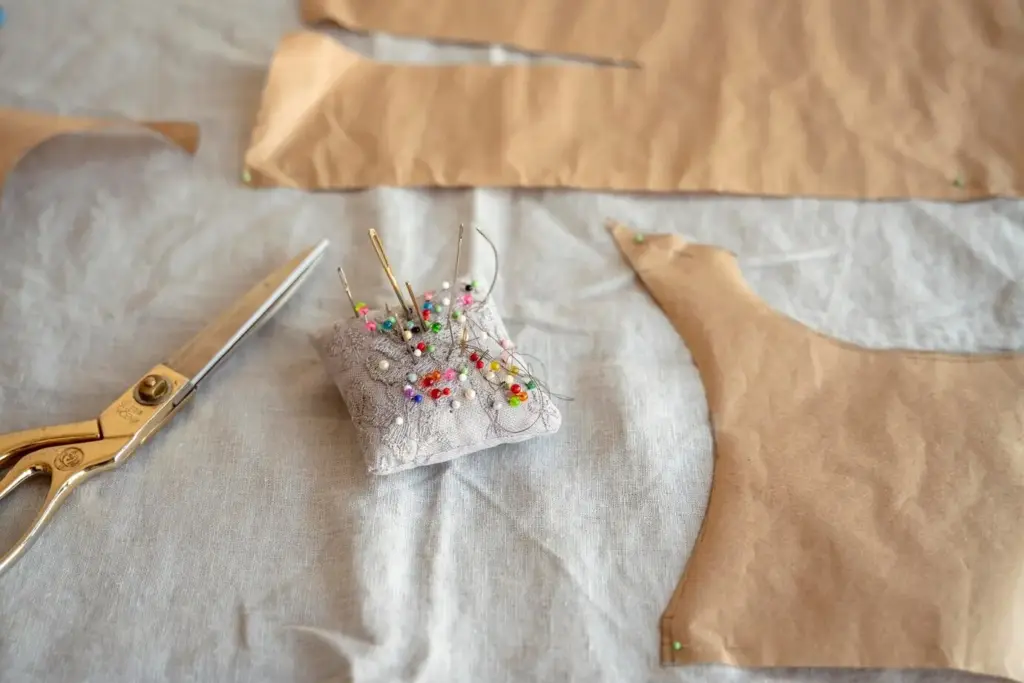
The easiest object to keep is the one designed for courage: visible fasteners, replaceable parts, and finishes that welcome renewal. When owners can tighten, refinish, and reupholster without specialist barriers, every small victory increases emotional investment. Over years, that competence transforms furniture into a partner, strengthening resolve to care, protect, and proudly pass it forward rather than abandoning it at the first sign of wear.

Environmental Gains from Keeping What You Love

Extending the lifetime of a cherished object defers manufacturing, logistics, and disposal impacts. Each avoided replacement can save significant carbon and material resources, while preserving cultural and personal value. By making maintenance delightful and repairs accessible, design aligns personal satisfaction with ecological responsibility, converting affection into measurable climate benefits without asking people to sacrifice comfort, beauty, or the evolving stories that make home feel alive.

Quantifying Benefits across the Object’s Lifespan

Use simple metrics to translate affection into impact: years-in-use, repairs-per-year, and avoided replacements. Pair them with embodied carbon estimates to show how small fixes compound. When owners see numbers reflecting their care, motivation rises. Tracking transforms invisible good habits into celebrated achievements, reinforcing a lasting commitment to stewardship, mindful consumption, and design choices that keep value circulating instead of accumulating waste.

Strengthening Local Repair Ecosystems

Design invites collaboration with nearby fixers, upholsterers, and material suppliers. Publish open specifications and part dimensions so local shops can help, and encourage events where residents learn quick repairs together. This ecosystem reduces downtime and increases confidence. As neighbors trade know-how and stories, community identity strengthens, further encouraging people to care for what they own and celebrate longevity as a shared accomplishment.

Care Logs and Longitudinal Diaries

Invite residents to keep brief notes about upkeep, rearrangements, and emotional highs or lows. Over months, these entries uncover rhythms: moments when polish restores pride, or when a sticky hinge erodes patience. Diaries capture nuance that surveys miss, guiding targeted improvements that remove small frustrations and amplify delight, turning maintenance into a natural, rhythmical part of living with beloved objects.

Wear Maps and Patina Observations

Photograph touchpoints over time to visualize where hands land, heels scuff, and drinks sit. These maps guide reinforcement, finish selection, and protective accessories that align with real use. When wear patterns are acknowledged and supported, users feel seen and respected, which in turn motivates them to maintain, repair, and continue sharing data that improves the next iteration without sacrificing character.

A Practical Plan to Begin Today

{{SECTION_SUBTITLE}}
Audit What You Already Own

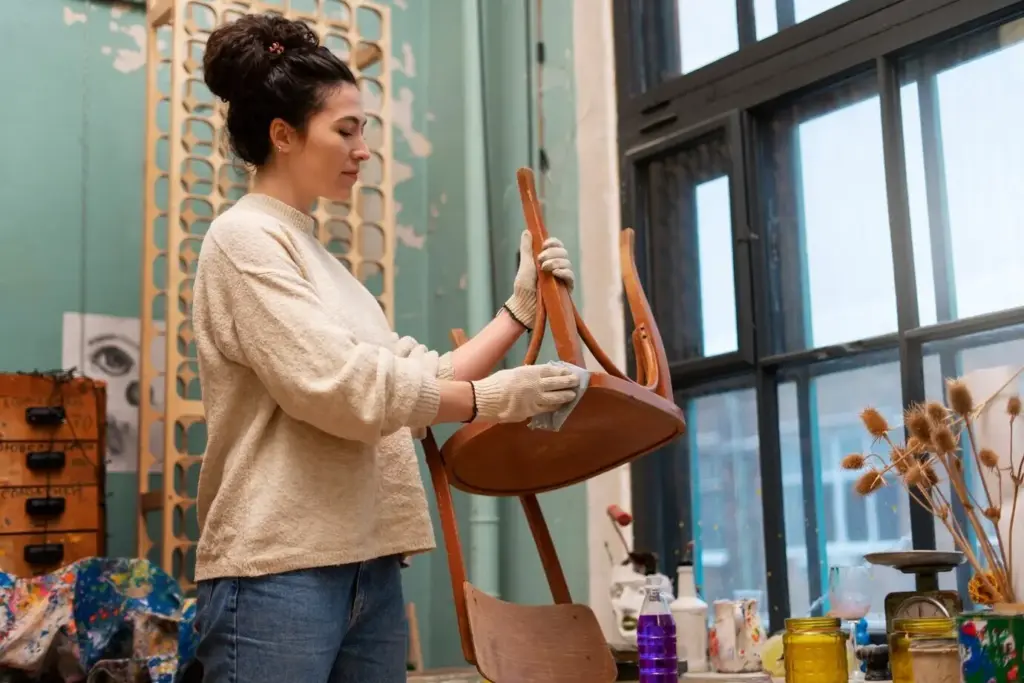
Walk through the room and list items you use daily, weekly, rarely, and never. Note why favorites succeed—comfort, access, memory, or adaptability. Then identify quick improvements: felt pads, a care kit, a fresh bulb, a wipeable tray. By elevating what already works, you reinforce attachment and avoid needless replacements, proving that small, attentive changes can transform how a space feels and functions.

Upgrade High-Frequency Touchpoints First

The parts you touch most set the tone for everything else. Replace a wobbly handle with solid hardware, add a dimmer, or refresh a scratched tabletop with oil. These tactile improvements deliver immediate satisfaction and visible progress, encouraging continued care. Momentum matters: when users feel competence growing, they tackle slightly bigger fixes with courage, building a durable cycle of pride and stewardship.
Livezezavilefilo
Privacy Overview

This website uses cookies so that we can provide you with the best user experience possible. Cookie information is stored in your browser and performs functions such as recognising you when you return to our website and helping our team to understand which sections of the website you find most interesting and useful.